Tū Mau exists to strengthen Pacific Indigenous peoples in the diaspora by connecting identity, advocacy, healing and global Indigenous solidarity.
We stand firm so our people can speak for themselves, protect their futures and carry the wisdom of our ancestors into the spaces where decisions about us are made.
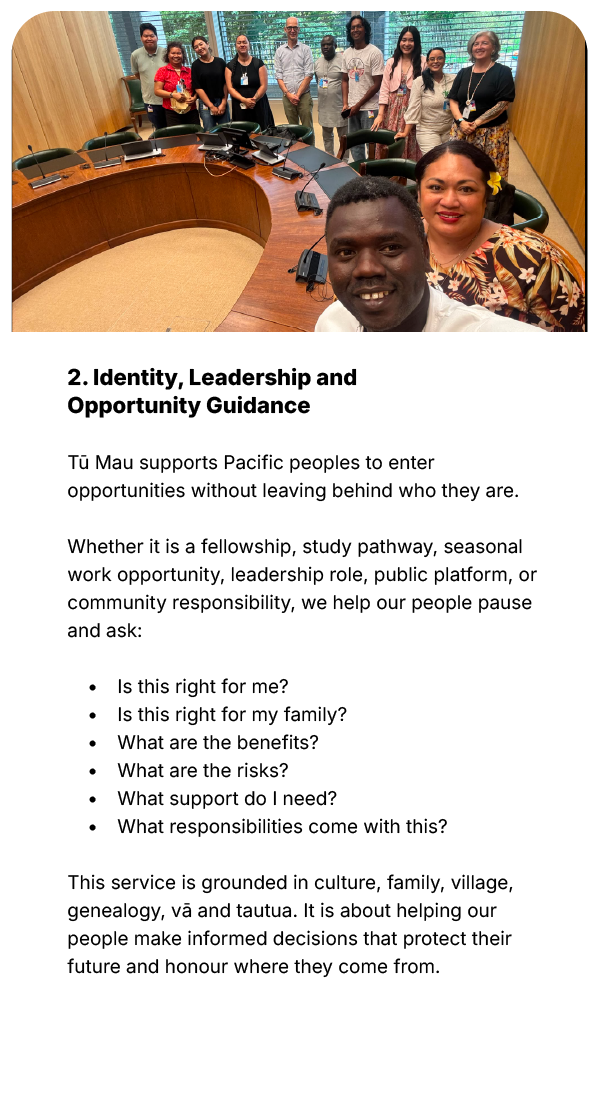
Our work is grounded in the belief that Pacific peoples should not have to leave their culture behind to be heard. Whether our people are entering the United Nations, education, labour migration, leadership or community advocacy spaces, they deserve to move with knowledge, confidence and connection to who they are.
Tū Mau creates pathways for our people to learn how systems work, ask the right questions, share their stories and decide what opportunities are right for them, their families, their villages and future generations.
The movement is held by four pillars:
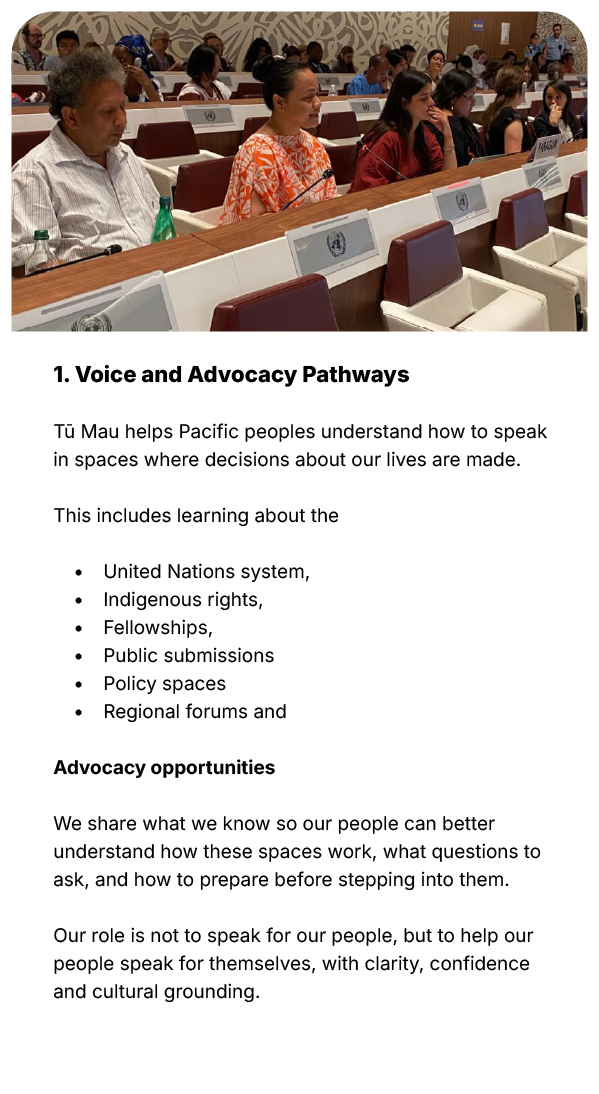
Voice: supporting Pacific peoples to speak in decision-making spaces, including the United Nations, regional forums, policy spaces and community platforms.
Identity: reconnecting our people to culture, language, genealogy, village, land, ocean and ancestral knowledge.
Leadership: preparing Pacific youth, families and communities to advocate with confidence and make informed decisions about the opportunities before them.
Our Services
Follow our social media pages and reach out if you need help.
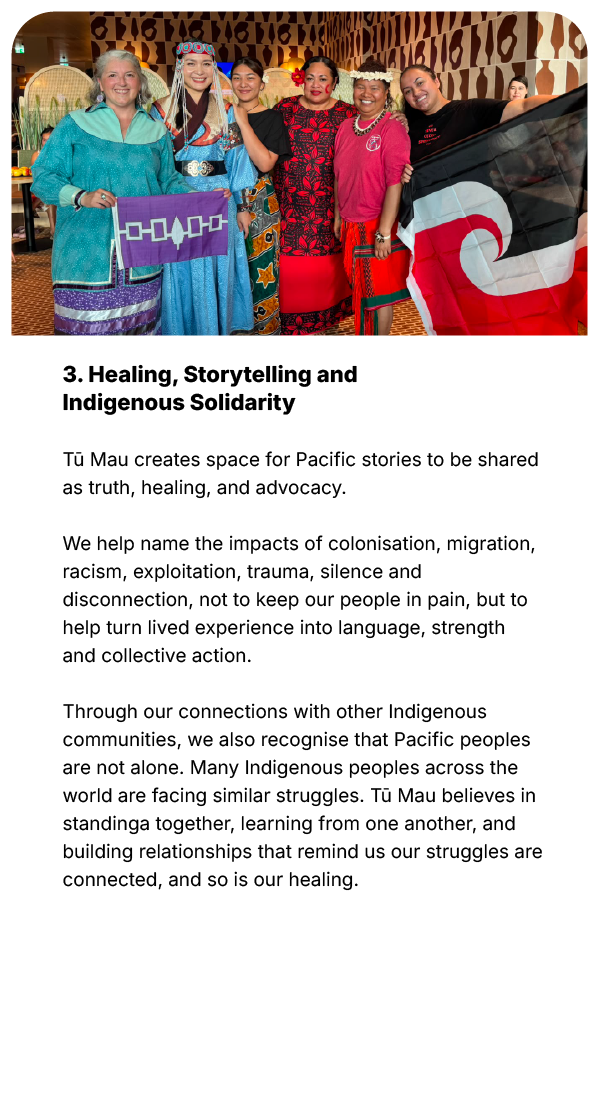
Toafeliuā’i Valelia Cathleen Moa (née Nansen) the Founder of Tu Mau Movement is a storyteller, advocate and cycle-breaker whose work is rooted in healing generational trauma historical through truth-telling. As a descendant of Samoa from the villages of Levi Saleimoa, Leauva’a, Vailima and Safotu, she was raised between Western and traditional knowledges. Cathleen has observed firsthand and lived through the disconnection of culture, lack of authentic history and the societal expectations of identity that masks the impact on families across multiple generations. Cathleen’s mission is dedicated to breaking these cycles by revealing truths that were hidden, honouring the stories that have shaped her, her ancestors and their cultural heritage, by forging new pathways founded on a sense of belonging, cultural upliftment and restoration.
Cathleen’s advocacy goes well beyond storytelling. She has represented Indigenous children’s rights on international stages such as the United Nations Expert Mechanism on the Rights of Indigenous Peoples (EMRIP) in Geneva Switzerland, where she shared insights into children’s lived experiences, their resilience and the ongoing challenges posed by migration and colonisation.
These lived experiences brought Tu Mau to life.
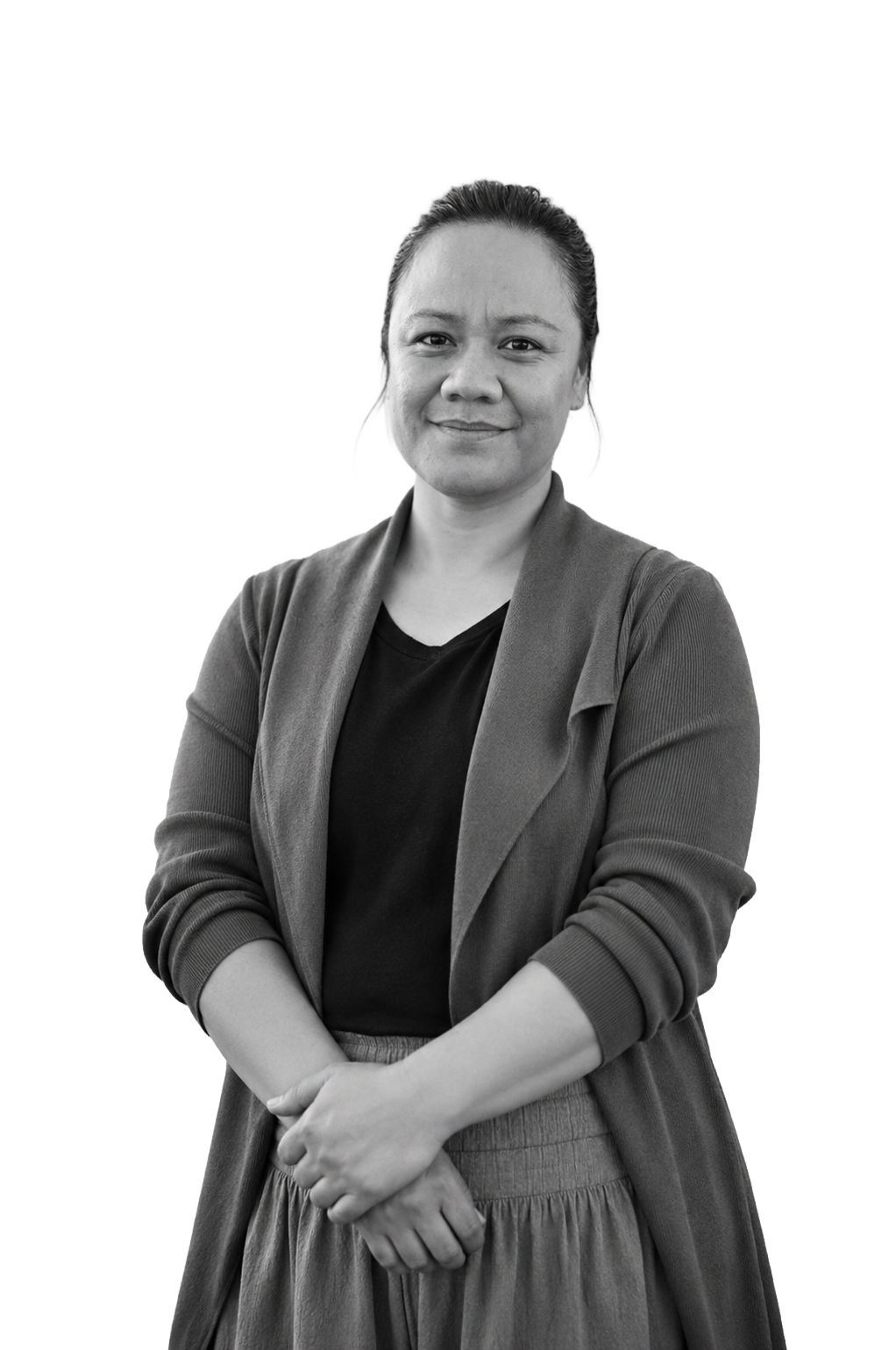
Cathleen Moa United Nations EMRIP 2025
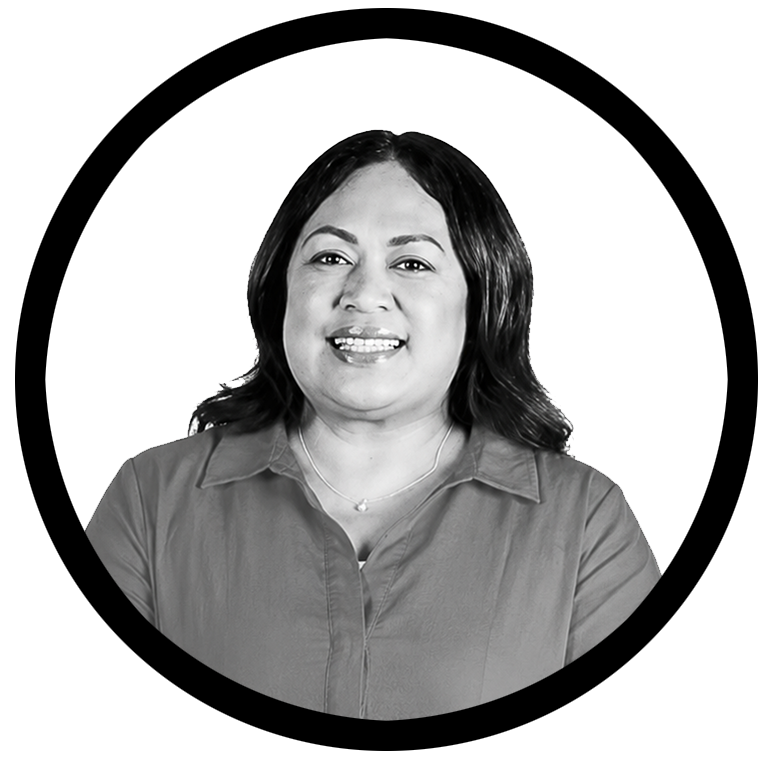
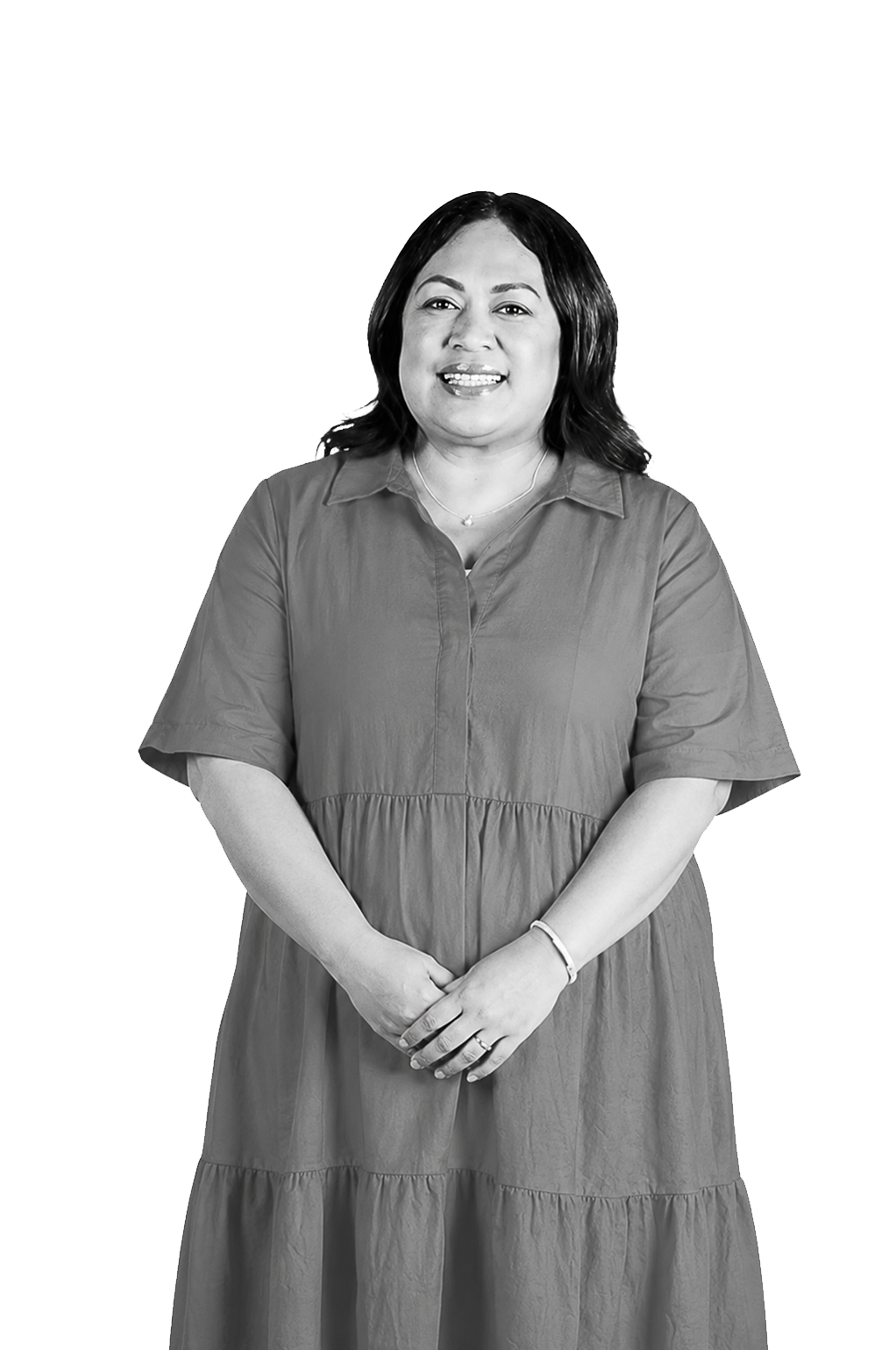
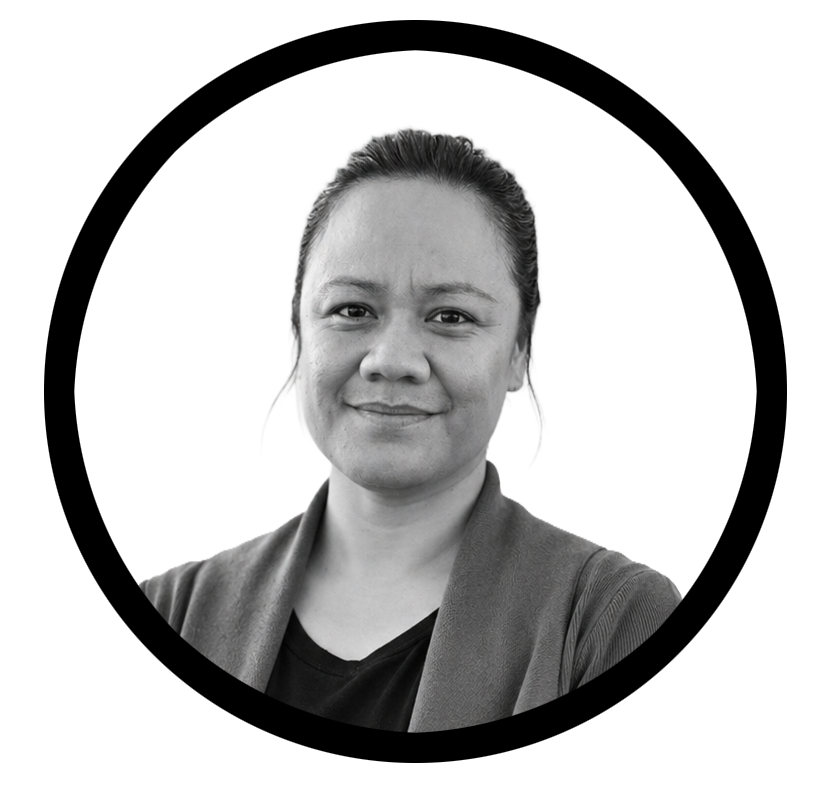
Maria Tavui Laki is from Tufulele and Fasito’o tai, Samoa, a United Nations Fellow, AUT LLB (Honours) and a Pacific leader actively engaging in grassroots advocacy and community development, particularly in uplifting the voices and rights of Pacific peoples.
Maria’s work focuses on labour exploitation, migrant worker rights, modern slavery, structural coercion and the rights of Pacific communities within employer-dependent labour migration systems. Her current research examines the Recognised Seasonal Employer scheme through the lens of international human rights law, including migrant worker protections, ILO standards, and modern slavery frameworks.
Maria strengthens the Tu Mau movement’s legal and written voice by translating complex legal issues into clear, accessible, and community-grounded advocacy. Her work includes researching Pacific labour migration policies, identifying systemic inequalities affecting Pacific workers and families, and developing written content that helps our communities understand how exploitation can occur through dependency, restricted choices, unequal power relationships, and limited access to remedies.
Maria also leads Tū Mau’s written communications, helping to share legal insights, advocacy updates, community stories, and opportunities for Pacific peoples across the islands and diaspora. Her work ensures that Tū Mau’s advocacy is not only legally grounded but also connected to the lived realities of Pacific communities. Through her research and writing, Maria helps Tū Mau stand strong in confronting the ongoing impacts of colonisation, labour exploitation, migration, and systemic inequality affecting Pacific peoples.